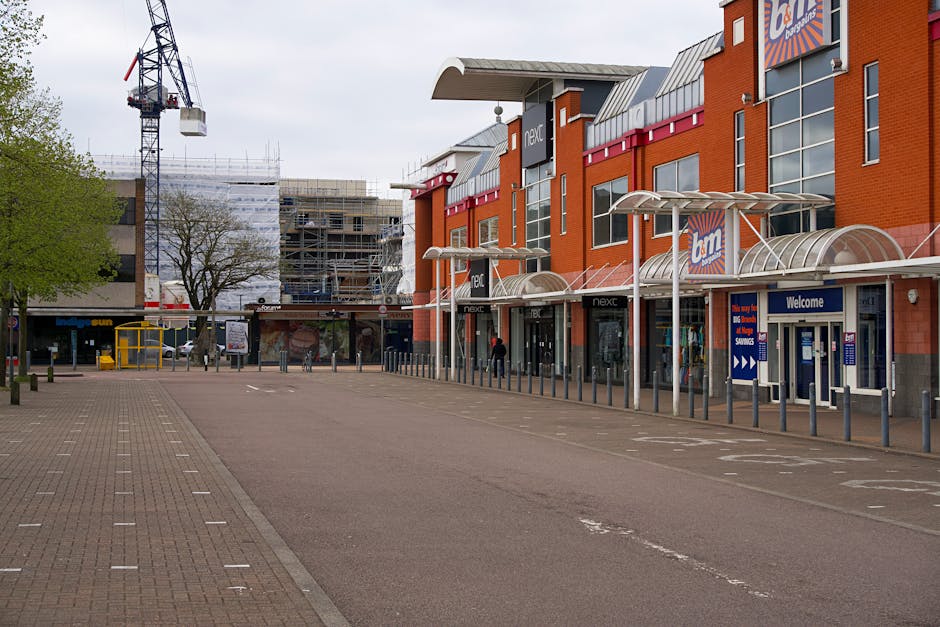
Office Clearance in Brent Cross

Office clearance in Brent Cross should be organised with care, whether you are clearing a single suite, an entire floor, or a workspace that has accumulated unwanted desks, chairs, cabinets and general office contents. Our service focuses on removing surplus items efficiently while keeping the process clear for the customer. That includes practical clearance work for offices, storage rooms and shared business areas, with a straightforward approach that helps you decide what stays, what is removed and what should be separated for reuse, recycling or disposal.
We work across a range of office clearance tasks, from routine furniture removal to more involved clearances after a move, refurbishment or tenant change. The service can include bulky items, mixed office contents and collections that need careful handling around access routes, lifts and loading points. Clear planning matters in commercial clearances, because the right sequence can make the work easier and reduce disruption in active premises. If you need an organised clearance in Brent Cross, you can request a quotation and outline the scope in your own time.
The best starting point is to define the rooms or areas involved and identify any items that must remain on site. That gives a clearer basis for the work and helps avoid delays once the clearance begins. For a simple first step, you can make a note of the main categories of waste or furniture, then request a quotation when you are ready. If you already know the rough scale of the job, we can discuss the most suitable way to carry it out.
Office furniture and equipment removal
Many office clearances are built around the removal of fixed or loose furniture, such as desks, meeting tables, pedestal drawers, storage units and reception seating. We also handle general office equipment that no longer needs to stay in the building, provided it is part of the agreed clearance. This can be useful when a workplace is being reorganised, when old furniture is being replaced in stages, or when an office needs to be stripped back for handover. The aim is to remove items carefully and keep the workplace usable for as long as possible.
Where a clearance includes a mix of furniture types, it helps to separate heavier items from smaller contents so the work can be managed in a sensible order. Some items may be suitable for reuse elsewhere, while others may be better suited to recycling or disposal. Not every office clearance needs to be treated the same way; the right method depends on access, the quantity of items and the type of materials involved. A clear description of the furniture and equipment usually makes it easier to prepare an accurate quotation.
Common items within a workplace clearance
Office furniture clearances often include a mixture of practical and bulky items rather than one single category. Typical examples may include desks, office chairs, shelving, filing cabinets, storage cupboards, meeting room tables, partitions and assorted back-office contents. Some jobs also involve IT furniture, such as monitor arms, printer stands or presentation units, although electronic equipment may need its own handling approach. A good clearance plan considers both the size of the load and how the items are positioned in the premises.
Workspaces, storage rooms and back office areas

Not every clearance is limited to visible desks and chairs. Many commercial properties also have store rooms, archive rooms, copy points and back-office spaces that fill up over time with redundant items. These areas often contain mixed contents, including stationery cupboards, spare office furniture, packaging, old displays and general clutter left behind after years of use. Clearing them can make it easier to reorganise the remaining space and identify what still has a purpose. The work is usually best approached methodically, rather than as a quick sweep through the room.
Where storage areas are involved, it is useful to separate clearly reusable office equipment from general waste and forgotten items that simply need to be taken away. We can help with a full room clearance or a targeted removal of surplus contents, depending on what the premises require. This type of work is often suited to businesses that want a cleaner working environment without replacing every item at once. If you are comparing options, it may help to think about whether the aim is a light tidy-up or a more complete clearance.
For some customers, the most practical approach is to keep the main circulation routes open and clear the office in stages. That can be especially helpful where teams are still working on site or where furniture must pass through narrow corridors and shared entrances. It is sensible to decide in advance which rooms are part of the job and which remain in use. Once those boundaries are clear, the clearance itself can be organised in a far more controlled way.
End-of-lease and office move clearances
When an office is being vacated, the clearance often has a defined deadline and a specific condition to meet. End-of-lease work may involve removing desks, chairs, fitted storage, filing material and other contents so the space can be returned in a cleaner state. A move can create a similar need, especially if part of the existing furniture will not be transferred to the new site. In both cases, the task is not only to empty the room but to do so in a way that suits the timetable and the layout of the premises.
These clearances are usually easier to manage when there is a simple list of what stays and what goes. That list can include larger furniture, boxed items and anything stored in cupboards or drawers. If the job includes multiple rooms, it may be useful to label them by function so the removal follows a logical route. A well-planned move-out clearance can reduce confusion on the day and make it easier to see when each area has been completed. Order is especially valuable if the building is shared or access is restricted.
We also understand that office move clearances may need to fit around other contractors, cleaners or building management requirements. That is why it helps to know the access arrangements in advance and whether any items must be handled separately. A quotation request does not need to be complicated: a brief outline of the floor area, the general contents and the timescale is often enough to begin. Clear information leads to clearer planning, which is useful for all sides.
About Brent Cross

Brent Cross is an area in north London closely associated with the Brent Cross shopping destination and the major road network around the A41, the North Circular Road and nearby arterial routes. Historically, the name is linked to a crossing point on the River Brent, and the broader district developed in relation to transport connections, suburban growth and later large-scale retail development. The area sits within the London Borough of Barnet and is often understood through the contrast between commercial uses near the mall and the surrounding residential streets and transport corridors. Its geography is shaped by roads, rail links and the river valley, giving it a practical rather than purely ceremonial identity.
Recycling, sorting and responsible disposal
A good office clearance is rarely just about lifting items away. It also involves deciding how different materials should be sorted, because office contents often include wood, metal, plastics, textiles, packaging and paper-based material. Where possible, separating these streams can make the job more orderly and can support reuse or recycling. The most useful starting point is to think in broad categories: furniture, general office contents, mixed waste and anything that requires separate attention. That way the clearance does not become a last-minute collection of unrelated items.
Some office clearances involve items that are no longer needed but are still in usable condition, while others consist mainly of worn or broken contents. In practice, this means a single job may need a blend of handling methods rather than one fixed routine. If the office includes bulky tables, cupboard carcasses, broken chairs or bagged contents, it is sensible to explain that mix when you enquire. Our approach is to keep the job organised and to handle the load in a way that suits the contents, the access and the space available.
Practical sorting before removal
Before a clearance, it can help to identify any confidential material, personal belongings or items that must be retained. Once those are set aside, the remaining contents can be grouped by room or by type, which makes the removal easier to direct. This is particularly useful in older offices where storage has built up over time and the exact contents may not be obvious at first glance. A short walk-through of the premises, or even a simple written outline, can be enough to create a workable plan.
Office clearances for refurbishments and fit-outs

Office refurbishments often begin with the removal of old furniture and redundant contents so the new layout can take shape. In these situations, the clearance may need to happen before decorators, installers or building contractors arrive, and the timing can be as important as the quantity of material. We can help with clearances that prepare a workspace for refurbishment by removing items that no longer fit the planned use of the premises. This can include meeting furniture, storage units, reception pieces and mixed contents left in side rooms or alcoves.
Fit-out projects can also create a need for partial clearances, especially when an office is being reorganised rather than emptied completely. For example, some areas may be stripped back while others remain in service. That is one reason why it helps to be specific about the sections of the building included in the job. The more clearly the work is defined, the easier it is to judge the practical sequence. If you are planning changes to your premises, a quotation can be arranged around the furniture and contents you want cleared.
Useful preparation steps for this kind of job are straightforward: identify the rooms involved, set aside anything that will be reused, and note any access restrictions such as parking or lift use. A few accurate details are usually more helpful than a long explanation. If the work is being coordinated with other trades, it may also help to state whether the clearance has to happen before or after a particular stage of the project. That keeps the process manageable and avoids unnecessary repetition.
Office clearance planning and access
Commercial clearances are often easier when the practical details are clear from the start. Access points, lift sizes, stair routes and loading arrangements can all affect how the job is carried out. For an office in Brent Cross, the premises may have shared entrances, managed buildings or limited stopping space nearby, so it is sensible to mention those factors early. The same applies to lower ground or upper floor offices where item movement needs more careful coordination. A little planning helps the work stay organised and avoids avoidable delays.
It is also helpful to know whether the clearance is taking place in an occupied office, a vacant unit or a site undergoing change. That affects how the work should be scheduled and how much care is needed around staff, visitors and remaining fixtures. We can work from the information you provide and adjust the job to suit the room layout and contents. For a clear start, you can gather the main items and the room count, then ask for a quotation once the overall scope is fixed.
Information that helps shape a quotation
A concise description of the clearance is usually enough to begin. Useful details may include the number of rooms, the type of furniture present, any bulky or heavy items, whether there are stairs or lifts and whether the property is still in use. If some items are to remain on site, make that clear too. This kind of practical information supports a more accurate conversation and reduces the need to revisit the basics later on.
Business waste and mixed office contents
Some office clearances involve more than furniture alone. Boxes of mixed business waste, old printed material, packing, worn accessories and other general contents can all build up in the same premises. In those cases, the job is to remove the accumulated material in a sensible order and separate anything that needs particular attention. That is especially useful where a business has occupied the same office for some time and the clearance needs to deal with both obvious and forgotten items.
We handle mixed office contents with the same aim as any other clearance: a tidy, practical removal that fits the property and the volume involved. It may be a smaller collection from a back room or a wider office clearance across several areas. Either way, the process works best when the scope is described clearly and the main materials are identified. If you want to compare options for office and business waste removal, it is usually worth deciding whether the job is mostly furniture, mostly mixed contents, or a combination of both.
In some premises, the most effective plan is to split the work into a few distinct categories so each part can be dealt with properly. That can include furniture removal, paperwork or archive sorting, and general contents clearance. A careful breakdown makes the work easier to understand and can help the customer decide which items should be included in the same visit. When the categories are clear, the quotation process becomes simpler as well.
Pricing factors and quotation requests

The cost of an office clearance depends on several practical factors rather than on a single measure. The amount of furniture and waste, the ease of access, the number of floors involved and the type of contents all influence the job. A small clear-out from one room is very different from a multi-room office with bulky items and mixed contents. It is therefore better to describe the real scope of the work than to make assumptions based only on the room size. That gives a more reliable basis for a quotation.
When you request a quotation, a brief but accurate description is usually the most helpful starting point. Mention the main items, the approximate number of rooms and any restrictions that may affect the clearance. If there are separate areas such as storage rooms, archives or furniture stores, include those too. The aim is to make the job understandable enough for a proper estimate without turning the enquiry into a long administrative exercise. Once the details are clear, we can discuss the most suitable approach.
If you are ready to move forward, contact us to request a quotation for your office clearance in Brent Cross. If you would like to see how related work is handled, you can also review our pricing and quotes information first. A short enquiry is often the easiest way to start, and we can take it from there.
Additional clearance options for commercial premises
Some jobs around an office require a broader clearance approach than simple desk and chair removal. For example, business premises may include side rooms, cupboards, meeting areas, staff kitchens or storage corners that collect unwanted items over time. In those cases, a more complete clearance can be useful because it brings the work together under one plan. We can cover office contents in combination with other relevant clearance tasks where that is the most sensible way to deal with the premises.
Where a customer is planning a larger change, it may be useful to think about the office in relation to the wider property rather than as a single room. That can involve a main workspace, additional storage and any redundant furniture kept elsewhere in the building. The key is to keep the scope honest and specific. If only certain areas are to be cleared, that should be stated at the outset. If the whole office is included, the job can be approached accordingly. Either way, the objective is a clear and manageable removal.
For more background on how related clearance services are arranged, you may find the office clearance page helpful, along with our home clearance and house clearance pages if you are comparing different kinds of removal work. Use the service that best fits the property, rather than trying to force one description to cover every situation. That makes the enquiry easier to direct and the work easier to plan.