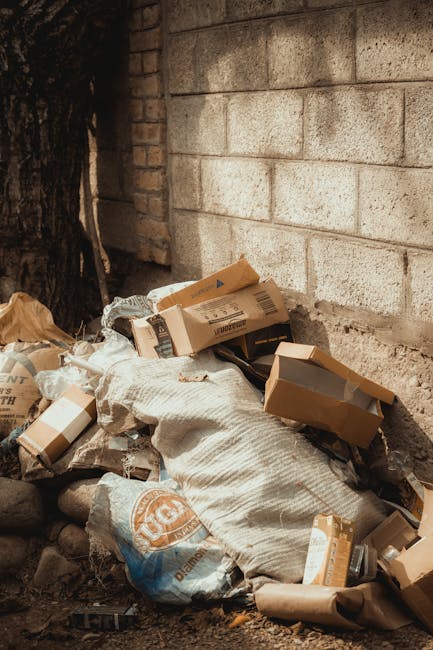
Rubbish removal NW4 guide for Cricklewood Broadway homes
If you live near Cricklewood Broadway, you already know the feeling: bags piling up in the hallway, a broken wardrobe leaning in the spare room, maybe a patch of garden waste that looks harmless until it rains. This Rubbish removal NW4 guide for Cricklewood Broadway homes is here to make that messy situation feel manageable. Whether you are clearing a flat, a family house, a loft, or just one awkward corner of clutter, the goal is the same: get rid of unwanted waste safely, quickly, and without turning your week upside down.
In practical terms, rubbish removal is about more than "taking stuff away". It is about choosing the right disposal route, avoiding fly-tipping headaches, keeping access clear on busy local streets, and making sure anything reusable or recyclable is handled properly. That last part matters a lot more than people think. Truth be told, most home clearances go more smoothly when you plan a little, sort a little, and ask a few sensible questions before anyone lifts a single box.
This guide walks through how rubbish removal works in NW4, what to expect, what to avoid, and how to decide whether you need a simple collection, a larger home clearance, or something more specific like flat clearance, house clearance, or waste removal. Nothing fluffy. Just useful, local, real-world advice.
Expert summary: The best rubbish removal jobs are usually the ones that start with a clear list, a realistic access plan, and an honest idea of what can be reused, recycled, or should be disposed of separately. A little preparation saves a lot of faff.
Table of Contents
- Why rubbish removal matters for Cricklewood Broadway homes
- How rubbish removal works in practice
- Key benefits and practical advantages
- Who this is for and when it makes sense
- Step-by-step guidance
- Expert tips for better results
- Common mistakes to avoid
- Tools, resources and recommendations
- Law, compliance, standards, and best practice
- Options, methods, and comparison table
- Case study or real-world example
- Practical checklist
- Conclusion
- Frequently asked questions
Why rubbish removal matters for Cricklewood Broadway homes
Cricklewood Broadway is a busy, lived-in part of NW4, and that changes how rubbish removal feels day to day. Homes here are often closer to the pavement, tighter on storage space, and less forgiving when clutter starts spreading into hallways or shared entrances. If you live in a flat above a shop, a terraced property, or a house with limited driveway space, even a small clearance can become awkward fast.
That is why rubbish removal matters. It is not just about making a room look tidy for five minutes. It affects safety, access, hygiene, and how comfortable the home feels. Old furniture can block fire exits. Bagged waste can attract pests. Damp cardboard can start smelling before anyone notices. And bulky items left around the property have a habit of becoming permanent residents. Not ideal.
There is also the local practical side. On streets like Cricklewood Broadway, timing matters. Loading space may be limited, neighbours may be coming and going, and you do not want a clearance to turn into a blocked path or a stressful argument with the hallway. A thoughtful approach makes the whole job calmer.
For many households, rubbish removal also sits alongside a bigger reset: moving out, downsizing, renovating, dealing with post-tenancy clutter, or finally sorting the loft after years of "I'll deal with that later." It is amazing how one room can quietly hold half the house's decisions.
If your clearance involves mixed household items, broken furniture, or accumulated clutter, it may be worth looking at home clearance or furniture clearance alongside general waste collection. That gives you a cleaner plan instead of trying to force everything into one bin-bag solution.
How rubbish removal works in practice
At its simplest, rubbish removal starts with identifying what needs to go. But in real life, the process usually has a few moving parts. You may have mixed waste, items that can be donated or reused, and heavier pieces that need two people and proper lifting technique. The smoother the planning, the easier the collection.
Most home rubbish removal jobs follow a pattern like this:
- Identify the waste type: general household rubbish, furniture, garden waste, loft clutter, renovation debris, or a mix.
- Separate what you want to keep, what can be reused, and what is genuinely ready to leave.
- Check access: stairs, narrow hallways, parking, lift use, and whether large items need dismantling.
- Choose the right service level: simple rubbish removal, full property clearance, or a specialist collection.
- Arrange the timing so the property is ready and waste does not sit around longer than necessary.
In practice, a good clearance team will look at the material involved and decide the safest route for loading, transport, and disposal. That might mean bagging loose waste, moving furniture separately, or splitting a job into sections. A pile of old drawers, a paint tin, and a soggy box of kitchen odds and ends are not all handled the same way. They just look similar when they are all sitting in one corner.
If you are handling a wider property cleanout, a combined approach can help. For example, a loft that has been ignored for years may need loft clearance rather than basic rubbish removal. A garage packed with random household overflow may fit better under garage clearance. Matching the job to the service is one of those small decisions that saves time later.
You should also expect a little coordination around access. Cricklewood Broadway properties can vary a lot: some have easy ground-floor access, others involve shared stairwells or awkward parking. The more clearly you explain that upfront, the fewer surprises on the day. And let's face it, surprises are rarely helpful when someone is carrying a sofa downstairs.
Key benefits and practical advantages
Good rubbish removal brings more than a clear floor. It changes how the home functions. You notice that straight away when you can open a cupboard without three things falling out, or when the hallway finally feels like a hallway again.
Here are the main benefits most homeowners notice:
- More space: Rooms feel usable again, which is especially valuable in smaller NW4 homes and flats.
- Less stress: Getting rid of clutter often creates an immediate mental reset.
- Safer movement: Clear stairs, hallways, and exits reduce trip hazards.
- Better hygiene: Removing old waste helps reduce dust, smells, pests, and damp-related issues.
- Faster moves and renovations: Clear access makes decorating, repairs, and moving far easier.
- More responsible disposal: Sorting waste properly supports recycling and reduces the risk of improper dumping.
There is also a financial angle, even if it is not always obvious at first. A well-planned clearance may prevent damage to floors, walls, and communal areas. It may also save repeat trips, emergency rush jobs, or the need to hire extra help because the first attempt was too small for the task.
Homeowners often underestimate the convenience factor. A couple of hours of proper removal can free up a weekend, which is worth something on its own. If you have ever spent half a Saturday trying to fit a dismantled wardrobe into a car that was never designed for furniture, you will know exactly what I mean.
Who this is for and when it makes sense
This type of rubbish removal is useful for a wide range of NW4 households, not just people moving out. In fact, many of the most common jobs are everyday situations that creep up quietly.
It makes sense if you are:
- clearing clutter from a family home
- preparing a flat for sale or rent
- tidying after builders or decorators
- emptying a loft, garage, shed, or storage area
- replacing old furniture or broken appliances
- sorting out garden waste after seasonal work
- dealing with the aftermath of a long-overdue declutter
It also makes sense when the job is too much for normal bin collections. That sounds obvious, but people still try to make it work with a few black bags and optimistic thinking. Sometimes that works for light household rubbish. Often it does not. If the items are bulky, mixed, or awkwardly placed, a dedicated collection is usually the cleaner choice.
For smaller properties, especially flats around busy roads, clearance is often about practicality rather than drama. A narrow staircase, shared entrance, or no-lift building can quickly turn a simple job into a logistical one. In those situations, flat clearance can be the better fit than general rubbish removal, simply because it is designed around that kind of access.
If the items are mostly old chairs, wardrobes, tables, or mattresses, furniture disposal may be more appropriate. Matching the service to the item type usually leads to a cleaner, more efficient job.
Step-by-step guidance
If you want rubbish removal to feel straightforward, it helps to break the task into smaller decisions. No heroics. Just method.
1. Walk through the property first
Start with a room-by-room look. Take note of the obvious waste, but also the hidden stuff: under-bed clutter, cupboard leftovers, box piles in corners, and anything stored in the loft or shed "for later". That little walk-through is where most people realise the job is larger than they expected. Which, to be fair, is normal.
2. Sort into clear piles
Make three basic groups: keep, remove, and unsure. The "unsure" pile matters because it stops decision fatigue from stalling the whole job. If something might be useful, set it aside for a final pass rather than arguing with yourself for ten minutes over an old lamp.
3. Identify special items
Some waste needs extra care. Paint, electrical items, sharp objects, heavy furniture, and anything potentially contaminated should be flagged early. This is where a general rubbish pile becomes a mixed clearance, and it is better to know that in advance.
4. Check access and parking
Measure doorways if needed. Think about stairs, lift access, and where loading can happen safely. On busy NW4 streets, even small access details make a big difference. If waste has to be carried a long distance or through shared areas, tell the provider before the day arrives.
5. Book the right service
Choose a service based on what you actually have, not what you hope you have. A small bag job is one thing; a full property load is another. If the job involves house contents, house clearance may be more suitable. If it includes garden cuttings, broken pots, and outdoor debris, garden clearance could be the right route.
6. Prepare the space
Stack items neatly where possible. Keep pathways open. Move personal documents, medicines, valuables, and anything sentimental out of the removal area. This part is boring, yes, but it prevents mistakes. And nobody wants to discover a passport or family photo buried in a bag marked "old junk".
7. Confirm what happens after collection
Ask how waste will be handled. Reuse, recycling, disposal, and separation should all be explained clearly. If a provider is serious about responsible handling, they should be able to talk sensibly about recycling and sustainability, not just say "yeah, it'll be taken care of."
Expert tips for better results
Over time, one thing becomes clear: the easiest clearances are the ones that start with honesty. Honest about volume, access, item condition, and how much time you actually have.
Here are a few practical tips that make a real difference:
- Group similar items together. Furniture in one place, bagged waste in another, loose recyclables together if possible.
- Keep walkways open. This helps with speed and reduces the chance of knocks or scuffs.
- Take photos before booking. A few clear images can prevent misunderstandings.
- Separate reusable items early. If something can be passed on, do not bury it beneath mixed waste.
- Ask about dismantling. Wardrobes, bed frames, and shelving often move better in parts.
- Be realistic about timing. If you think the job will take one hour, plan for more. A little buffer helps.
One small but useful trick: if a room feels overwhelming, work from the doorway inward. It gives you visible progress, which keeps momentum going. Strange how that helps, but it really does.
Another tip is to avoid overfilling bags. Heavy bags split, stretch, and make lifting awkward. That is not a clever save; it usually creates extra work. Better to use manageable loads and avoid back strain.
If you are dealing with old household items that still have some life left, a service focused on furniture clearance can sometimes be more practical than treating everything as mixed rubbish. Less waste, cleaner outcome.
Common mistakes to avoid
The biggest mistake is waiting too long. Clutter has a way of becoming invisible while still taking up space. You stop noticing it, then one day the spare room is just a holding pen for everything you meant to sort three months ago.
Other common mistakes include:
- Not checking access first: A clearance team cannot read minds, and narrow stairwells matter.
- Mixing waste types blindly: Mixed loads need more sorting and can slow things down.
- Ignoring heavy or hazardous items: These need careful handling, not guesswork.
- Forgetting communal areas: In flats, hallways and entrances need to stay clear and respectful.
- Assuming all rubbish is the same: It is not. Garden waste, furniture, builders' debris, and household rubbish each have different handling needs.
- Leaving the last-minute pile for the day of collection: That pile is always bigger than you expected. Always.
Another mistake is choosing the cheapest-looking option without asking what is included. If a quote seems unusually low, check whether lifting, loading, disposal, recycling, or extra labour are all covered. A proper service should feel clear, not cryptic.
For renovation leftovers, don't push builders' waste into a normal household clearance just because it seems easier. A dedicated builders' waste clearance is usually the better fit and reduces the chance of delays or unsuitable handling.
Tools, resources and recommendations
You do not need a shed full of equipment to get organised, but a few basic tools help a lot.
- Heavy-duty bags or boxes: Better for sorting and carrying mixed clutter.
- Labels or marker pens: Helpful for "keep", "remove", and "donate/reuse" groups.
- Gloves: Useful for dusty lofts, garden waste, and rough items.
- Tape measure: Handy for checking bulky furniture against doorways.
- Phone camera: Simple but effective for documenting what needs clearing.
- Basic cleaning supplies: Once items are out, a quick sweep makes the room feel finished.
For homeowners looking beyond a one-off collection, it can help to think in categories rather than piles. A garage packed with old tools and household overflow might need garage clearance. A loft with mixed storage, boxes, and discarded items may be better handled as loft clearance. And if the whole property is due a reset, home clearance often gives a cleaner end result.
For people who prefer one clear route for all unwanted items, a more general waste removal service can be the simplest option. It is not about using a bigger label for the sake of it. It is about matching the service to the reality of the job.
Law, compliance, standards, and best practice
Waste should be handled responsibly. That sounds obvious, but it matters a great deal in practice. Homeowners are still responsible for making reasonable choices about who removes their waste and where it goes. Using the wrong person can create fly-tipping problems, mess, and in some cases unwanted trouble if waste is dumped illegally.
As a rule, good practice in the UK includes:
- making sure waste is removed by a legitimate, traceable provider
- keeping records or invoices where appropriate
- separating hazardous, electrical, or specialist waste when needed
- avoiding dumping items on pavements, in communal areas, or beside bins
- checking that the disposal method aligns with responsible recycling where possible
If you are unsure whether an item needs special handling, it is safer to ask before collection day. That includes old paint tins, damaged appliances, sharp metal, and anything you would not want tossed into a standard mixed load without thought. Better one careful question than one avoidable mistake.
Good providers should also work with appropriate safety procedures. That includes lifting awareness, protecting access routes, and being sensible around broken furniture or unstable piles. You can usually get a feel for this by how they talk about the job. If they are vague about safety, that is not a great sign.
For peace of mind, it is worth reviewing a provider's health and safety policy, insurance and safety information, and terms and conditions. Those pages tell you a lot about how seriously a company takes the work. You can also check the company background through about us and the approach to responsible handling in recycling and sustainability.
Options, methods, and comparison table
There is more than one way to deal with rubbish, and the right choice depends on volume, item type, access, and urgency. Here is a simple comparison to help you think it through.
| Option | Best for | Strengths | Watch-outs |
|---|---|---|---|
| DIY bagging and trips to disposal | Very small amounts of light rubbish | Low cost, simple for tiny jobs | Time-consuming, heavy lifting, transport hassle |
| General rubbish removal | Mixed household waste and clutter | Convenient, faster, less physical effort | Needs clear item details and access planning |
| Flat or house clearance | Whole rooms, properties, or larger loads | Efficient for bigger jobs, less back-and-forth | More sorting needed if items are mixed |
| Specialist clearance by area | Lofts, garages, gardens, or building leftovers | Better fit for specific waste types | Requires the right service match |
For many Cricklewood Broadway homes, the sweet spot is not the cheapest-looking option or the biggest-sounding one. It is the option that fits the actual waste. A small tidy-up and a full household clearout are very different beasts, after all.
If you are comparing services, pricing transparency matters. A clear explanation of load size, labour, access, and disposal approach is worth more than a vague promise. When you are ready to get numbers, pricing and quotes is a useful place to start.
Case study or real-world example
A typical NW4 scenario goes like this. A couple in a Cricklewood Broadway flat has been stacking unused furniture, old boxes, and broken household items in the spare room for months. It starts as "just temporary", then the room becomes a storage unit with a bed in it. Nothing dramatic, just a slow build-up.
Before a redecorating weekend, they walk through the flat and separate what stays, what might be reused, and what must go. They realise the wardrobe is too large to leave intact, the hallway is narrow, and there is no easy place to keep waste overnight. So they choose a clearance that handles mixed items in one go rather than trying to do it over several bin runs.
On the day, the useful steps were simple: keep the corridor open, move valuables aside, photograph the bulky items, and confirm access. The result was not just an empty room. It was less tension, less mess, and a much better start to the decorating job. You could almost hear the relief in the place.
That is the part people often forget. Rubbish removal is not only about what leaves the property. It is also about what becomes possible once the clutter is gone. A room can breathe again. Sounds a bit dramatic, maybe. But it is true.
Practical checklist
Use this before booking or collection day. It keeps the process neat and avoids last-minute scrambling.
- Identify all items to be removed.
- Separate keep, remove, and unsure piles.
- Check for heavy, sharp, electrical, or specialist items.
- Measure access points if furniture is bulky.
- Confirm whether stairs, lifts, or parking restrictions matter.
- Move valuables, paperwork, and sentimental items out of the way.
- Keep hallways, entrances, and exits clear.
- Ask how items will be handled, reused, or recycled.
- Review the provider's policies and terms if needed.
- Make sure the room is ready before the team arrives.
A small checklist like this can save a lot of back-and-forth. No drama, just fewer surprises.
Conclusion
Rubbish removal for Cricklewood Broadway homes is really about making life simpler in a part of NW4 where space, access, and timing can all matter at once. Whether you are dealing with a flat, a family home, a loft, a garage, or a garden full of cuttings, the winning formula is the same: sort early, plan access, choose the right service, and keep the process honest.
Done well, it frees up space, reduces stress, and helps the property feel workable again. That is worth the effort. And if you take one thing from this guide, let it be this: the best clearance is usually the one that fits the job cleanly, not the one that looks easiest at first glance.
Get a free quote today and see how much you can save.
Frequently Asked Questions
What is the best type of rubbish removal for a Cricklewood Broadway home?
The best option depends on what you need removed. Small, mixed household waste may suit general rubbish removal, while a fuller room or property clearout may be better handled as house clearance or home clearance.
How do I know if I need flat clearance instead of normal rubbish removal?
If the job involves a flat with stairs, shared entrances, limited access, or a larger load of items, flat clearance is often the better fit because it is designed for that kind of layout.
Can furniture be taken away with rubbish removal?
Yes, but it is often better to separate furniture-heavy jobs into furniture clearance or furniture disposal, especially if the items are bulky, heavy, or need dismantling first.
What should I do before the collection team arrives?
Clear pathways, separate keep-and-remove piles, move valuables away, and make sure access is straightforward. A little prep makes the whole thing smoother. It really does.
Is garden waste handled differently from household rubbish?
Usually, yes. Garden cuttings, soil, branches, and outdoor debris are often better handled through garden clearance rather than a standard mixed rubbish collection.
How do I avoid paying for the wrong type of clearance?
Be specific about what you have. Share photos if possible, explain access details, and mention bulky or unusual items. That helps avoid mismatched quotes and awkward surprises.
Are lofts and garages treated as special cases?
Often they are. Lofts and garages tend to hold mixed storage, older items, and awkward access, so loft clearance or garage clearance may be a better match than a general rubbish pickup.
What happens to items after they are collected?
That depends on the provider and the item condition. Good practice is to sort items for reuse, recycling, and disposal where appropriate, rather than sending everything to the same place by default.
Do I need to worry about health and safety?
Yes, especially with heavy furniture, sharp edges, or cluttered access. It is sensible to review the provider's health and safety policy and insurance and safety information before booking.
Can builders' waste be removed with household rubbish?
Sometimes small amounts can be discussed, but builders' debris is usually best handled through builders' waste clearance so the load is handled appropriately.
How long does rubbish removal usually take?
That depends on volume, access, and how sorted the items are. A few bags can be quick; a full property clearout takes longer. The key is to be realistic rather than hopeful.
Where can I check pricing or arrange next steps?
If you want to compare options and understand the likely cost structure, pricing and quotes is the right place to look. If you still have questions, you can also review the company's about us and terms and conditions pages for extra reassurance.
What if I only have a small amount of waste?
For a small amount, a lighter waste removal service may be enough. But if items are awkward, heavy, or mixed with furniture or household clutter, it may still be worth choosing a more complete clearance approach.