Brent Cross West station rubbish clearance options for commuters
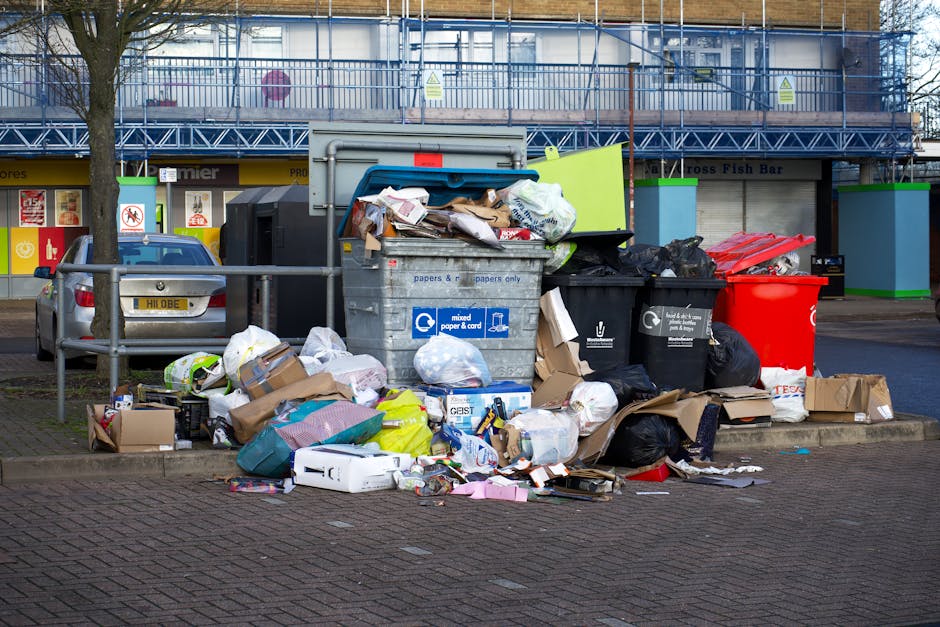
If you travel through Brent Cross West station regularly, you will already know the feeling: one awkward bag, a box that doesn't fit under your arm, or a pile of unwanted items that suddenly becomes everyone's problem. The right Brent Cross West station rubbish clearance options for commuters can make the difference between a smooth journey and a stressful one. This guide looks at practical ways to handle rubbish, bulky items, and time-sensitive waste before, during, or after your commute, with a focus on sensible, local, real-world choices.
Whether you are clearing out a flat, replacing office furniture, dealing with move-out leftovers, or just trying to get rid of commuter clutter without causing a headache, there are safer and cleaner ways to do it. Let's walk through what works, what to avoid, and how to choose the right option for your schedule.
Why Brent Cross West station rubbish clearance options for commuters Matters
Commuter rubbish clearance sounds simple until you are actually standing there with a broken suitcase, a bag of packaging, or a chair that has definitely seen better days. Brent Cross West is a busy interchange for people with tight timings, changing work patterns, and limited patience for faffing around. That is exactly why a good disposal plan matters.
In practical terms, rubbish clearance near a station is about more than "getting rid of stuff". It is about staying mobile, keeping pavements clear, avoiding awkward carrying on trains or buses, and making sure waste ends up in the right place. Nobody wants to be that person wrestling a dusty lamp through a crowded concourse at 8:10 in the morning. Truth be told, most commuters are not short on responsibility - they are short on time.
It also matters because small waste decisions snowball. A single bag of unwanted items can turn into a hallway obstruction, an office corner full of broken furniture, or a flat move that drags on for days. The earlier you choose a sensible route, the easier the day becomes.
Practical takeaway: The best rubbish clearance option for commuters is usually the one that fits the smallest time window, creates the least disruption, and keeps you from making one more trip than necessary.
How Brent Cross West station rubbish clearance options for commuters Works
At a commuter level, rubbish clearance usually falls into one of three patterns: you carry a small amount yourself, you arrange a targeted collection, or you book a full waste removal service for heavier or mixed loads. Which one works best depends on volume, item type, and how much time you have before or after travel.
For lightweight rubbish, such as packaging, old papers, food containers, or a few broken household bits, the simplest option may be to separate and remove items gradually. For bulkier items, however, that approach quickly becomes awkward. Large furniture, damaged storage units, old office equipment, and builders' debris are much better handled as planned waste removal rather than improvised commuter baggage.
If you are clearing items from a flat, office, garage, or loft in the Brent Cross area, you might also need a service that can collect directly from the property rather than relying on you to transport things station-side. That is where linked services like flat clearance, office clearance, home clearance, and waste removal become useful.
A good process normally looks like this:
- Sort items by size and type.
- Separate reusable items from genuine waste.
- Decide what can be moved safely by hand and what needs collection.
- Book a removal slot that fits your commute or property access.
- Ensure the waste is handled responsibly and not simply dumped somewhere inconvenient.
Simple, but not always easy. Especially on a wet Tuesday when the trains are packed and everyone is carrying a coffee they definitely do not want to spill.
Key Benefits and Practical Advantages
The main benefit is obvious: less stress. But there are several more practical advantages to choosing the right clearance option near Brent Cross West station.
- Less physical strain: You are not dragging heavy bags, awkward chairs, or mixed rubbish through a station.
- Better time management: A planned clearance is easier to fit around commuting than multiple improvised trips.
- Cleaner surroundings: Avoiding clutter helps keep your home, office, or shared space usable.
- Lower risk of damage: Furniture and bulky items are less likely to get scratched, broken, or dropped.
- Improved safety: Heavy or sharp waste can be handled more appropriately when it is removed in one organised visit.
- More responsible disposal: Services that prioritise sorting and recycling can reduce avoidable landfill waste; if sustainability matters to you, see the company's approach to recycling and sustainability.
There is also a calmer, less visible benefit: no one likes clutter hanging around in a home or workplace. You notice it in the background, every morning, like a small unresolved chore staring back at you.
Who This Is For and When It Makes Sense
Not every commuter needs a waste clearance service, of course. But there are very common situations where it makes perfect sense.
This is often useful for:
- People moving into or out of flats near Brent Cross West
- Commuters who work in nearby offices and need to clear old equipment
- Landlords preparing a rental property between tenancies
- Residents getting rid of furniture that is too large for normal disposal
- Anyone with garage, loft, or garden waste that has built up over time
- Small businesses needing discreet and reliable business waste removal
If the items are mostly household-related, services such as house clearance, furniture clearance, or furniture disposal may fit the job better than a general one-off tidy-up. If the load is more mixed or the space has become a catch-all, you may want to look at garage clearance or loft clearance.
As a rule, if you are asking "Can I really carry this without being miserable?" the answer is probably no. And that is a decent moment to consider a professional clearance option.
Step-by-Step Guidance
If you want the process to be painless, take it in stages. That sounds almost too obvious, but it works.
1) Identify exactly what needs clearing
Start with the basics. Is it bagged rubbish, a few items of furniture, office waste, builders' materials, or a mix of everything? Mixed loads often need more planning because not all waste can be treated the same way.
2) Separate reusable items
If something is in decent condition, don't toss it automatically. Some furniture, fixtures, and fittings may be better handled through reuse, resale, or specialist disposal rather than straight rubbish clearance.
3) Check access and timing
Think carefully about stairs, lifts, loading access, and whether the collection point is easy to reach from the station area or your property. A narrow hallway can slow everything down. It happens more than people expect.
4) Match the service to the waste type
For domestic clutter, home clearance is often a neat fit. For rental turnover, flat clearance is usually more practical. For workplace items, business waste removal is the obvious route. And for heavier or more awkward mixed materials, builders waste clearance may be the safer choice.
5) Ask how items will be handled
A proper clearance should not just be "take it away and hope for the best". Ask how recyclable items are separated, how bulky furniture is treated, and whether the team is set up for safe handling. That is especially relevant if you are dealing with older cabinets, desks, or items with sharp edges.
6) Confirm booking details and access notes
Be precise. Mention parking, stairs, time restrictions, and anything that could affect collection. A few extra seconds of clarity can save a lot of back-and-forth later.
7) Keep only what you genuinely need
This is the dullest step, maybe, but also the most useful. The fewer unnecessary items you hold onto, the less likely you are to end up in another clearance panic next month.
Expert Tips for Better Results
Here are the small things that make a clearance job go more smoothly. They are not glamorous, but they matter.
- Sort by material, not just by room. Cardboard, wood, metal, and general waste are easier to handle when separated early.
- Leave a clear path. This sounds basic, yet cluttered hallways are one of the biggest time-wasters.
- Keep paperwork and valuables out of the pile. Once bags start stacking up, important items get lost in the shuffle very easily.
- Book a little earlier than you think you need to. Commuter life is full of delays. Trains, meetings, keys, lifts - something usually crops up.
- Check whether the job needs specialist handling. Heavy items, sharp debris, and electrical waste are best assessed properly.
One simple but underrated trick: photograph the items before collection. It helps you remember what is going and gives you a clear record if you are coordinating a flat move, office move, or landlord handover. Nothing dramatic, just sensible.
If you are weighing up service quality as well as convenience, it can also help to review the provider's health and safety policy and insurance and safety information. Those pages tell you a lot about how seriously the job is taken.
Common Mistakes to Avoid
Most clearance problems come from trying to be too casual about the process. A little planning goes a long way.
- Mixing everything together: Recyclables, reusable items, and general rubbish should not all be thrown into one pile without thought.
- Underestimating weight and size: A "small" cupboard can become a two-person awkwardness machine very quickly.
- Ignoring access issues: If there is no decent access route, the collection will be slower and more expensive to manage.
- Leaving the booking too late: This is especially common before a move-out deadline.
- Choosing the wrong service type: Domestic clutter, construction waste, and office junk are not interchangeable. Close, but no.
- Forgetting about compliance: Waste should be transferred and handled responsibly, not just left in a communal area or dumped near the station.
Another common mistake is assuming that "anything in a bag" counts as easy waste. Not always. Bags can hide sharp items, broken glass, batteries, or mixed materials that need more careful treatment.
Tools, Resources and Recommendations
You do not need a huge toolkit for a sensible clearance plan, but a few basics help.
- Sturdy bin bags and boxes: Best for sorting lighter waste and protecting hands from rough edges.
- Marker pens and labels: Great for separating keep, donate, recycle, and remove.
- Gloves: Simple but essential if you are moving dusty, sharp, or old items.
- Measuring tape: Handy when checking whether furniture can be moved through doors or down stairs.
- Phone camera: Useful for recording item condition before disposal or collection.
From a service-planning point of view, the most useful pages to review are usually pricing, recycling, and the company's clearance-specific service pages. If you want a clearer idea of the service mix available, you may find pricing and quotes helpful alongside the relevant clearance page for the waste type you are dealing with. For enquiries, contact us is the sensible next step when you are unsure which service fits.
You can also learn more about the business background on about us, which is useful if you prefer to understand who is handling your waste before booking.
Law, Compliance, Standards, or Best Practice
Waste clearance in the UK is not just a matter of convenience. There are normal expectations around safe handling, lawful disposal, and responsible transfer of waste. The exact requirements can depend on the waste type, location, and who is handling it, so it is always best to approach the process carefully rather than casually.
For commuters near Brent Cross West, the practical best practices are straightforward:
- Do not leave rubbish in communal or public areas.
- Do not assume mixed waste can be handled the same way as household bagged waste.
- Keep hazardous or awkward items separate and flagged clearly.
- Use a service that appears to take safety, insurance, and recycling seriously.
- Make sure items are removed in a way that does not obstruct access, pathways, or transport areas.
If you are clearing items from a workplace, remember that business waste has different handling expectations from domestic rubbish. That is where a dedicated business waste removal approach is usually a better fit than a general cleanup.
Best practice is simple, really: keep the waste stream clear, keep the access safe, and keep the process documented enough that nobody is left guessing later.
Options, Methods, or Comparison Table
Choosing the right clearance method depends on volume, urgency, and the kind of item involved. Here is a quick comparison to help you decide.
| Option | Best for | Typical advantage | Watch out for |
|---|---|---|---|
| Self-carry to disposal point | Very small, light loads | Fast and simple if you already have the means | Poor for bulky or heavy items; can be tiring and messy |
| Scheduled collection | Furniture, mixed domestic waste, ongoing clutter | Fits around work and avoids repeated trips | Needs clear access and a bit of planning |
| Full property clearance | Moves, probate, tenancy turnover, large clear-outs | Most efficient for larger volumes | Requires detailed item sorting and access coordination |
| Specialist waste removal | Builders' debris, office waste, awkward mixed materials | Better matched to the actual waste type | Should be booked with accurate item descriptions |
If you are dealing with furniture specifically, a service like furniture disposal may be enough. If the load is broader and you want the space fully emptied, house clearance or office clearance may be more appropriate.
Case Study or Real-World Example
Imagine a commuter who has just finished a tenancy near Brent Cross West and is due at work by 9:00 the next morning. In the flat there is a disassembled wardrobe, a couple of chairs with damaged legs, mixed cardboard, an old microwave, and a few bags of random bits that have somehow multiplied in the last week. Classic move-out chaos.
Trying to drag that lot to the station would be a nightmare. It is too much for one person, too awkward for a quick trip, and too mixed to deal with casually. In that situation, the best option is usually to sort items into categories and arrange a proper collection, ideally with a service that can handle both furniture and general waste. The commuter keeps their morning train. The flat gets cleared. The whole thing becomes manageable again.
That is the real value here. Not drama. Not speed for its own sake. Just a clean, workable plan that fits a very ordinary London life where time is precious and space is limited.
Practical Checklist
Use this quick checklist before arranging clearance near Brent Cross West station:
- Have I identified exactly what needs removing?
- Are any items reusable, recyclable, or special handling?
- Do I know whether the load is domestic, office, furniture, builders', or mixed waste?
- Have I checked access, stairs, parking, and timing?
- Have I separated valuables, paperwork, and essentials?
- Do I need a single collection or a fuller property clearance?
- Have I reviewed relevant service pages such as recycling and sustainability and the appropriate clearance service?
- Am I clear on the next step and the booking details?
Final quick note: a good clearance plan should save you time, not create another mini-project. If it starts to feel like one, simplify.
Conclusion
Brent Cross West station rubbish clearance options for commuters are really about one thing: making everyday life easier without cutting corners. If you choose the right disposal route, you protect your time, reduce stress, and avoid hauling bulky or messy waste around a busy transport hub.
For small amounts, simple sorting and careful handling may be enough. For furniture, mixed waste, office items, or larger home clear-outs, a professional clearance or waste removal service is usually the cleaner and safer choice. The key is to match the method to the mess. That sounds obvious, but in practice it saves a lot of trouble.
If you are still deciding, start with the item type, check your access, and pick the service that feels realistic rather than optimistic. That one decision usually makes the rest easier. And honestly, that is half the battle.
Get a free quote today and see how much you can save.
Sometimes the best feeling is simply walking away from a cluttered space and knowing it is all sorted. Quietly sorted. No drama.
Frequently Asked Questions
What are the best rubbish clearance options for commuters near Brent Cross West station?
The best option depends on the load. Small, light waste can often be managed yourself, while bulky or mixed items are usually better handled by a planned clearance or waste removal service.
Can I take furniture with me on the train from Brent Cross West?
Technically some smaller items may be carried, but it is rarely practical for bulky furniture. It is usually safer and less stressful to arrange furniture disposal or furniture clearance instead.
What if I only have a few bags of rubbish?
If the waste is light, bagged, and easy to move, a simple self-managed disposal plan may work. Once the load becomes mixed, heavy, or awkward, a collection service is usually the better answer.
Is office waste handled differently from household rubbish?
Yes, business waste often needs a more suitable handling approach than domestic rubbish. If you are clearing a workplace, business waste removal or office clearance is typically more appropriate.
How do I know whether I need flat clearance or house clearance?
If you are clearing a smaller apartment or tenancy, flat clearance is often the most relevant option. For a larger property or a fuller room-by-room emptying, house clearance may fit better.
What should I do with mixed items like cardboard, old electronics, and broken furniture?
Mixed loads should be sorted where possible. Electronics, furniture, and general rubbish may need different handling, so it is best not to treat them all as one pile.
Can rubbish be cleared before or after my commute?
Yes, and that is often the most practical approach. Many people arrange collections around work hours or end-of-day access, which avoids carrying waste during a rush hour journey.
Do I need to prepare items before a clearance team arrives?
A little preparation helps. Separate valuables, keep pathways clear, and group similar items together if you can. That makes the collection faster and simpler.
What if the items are in a loft or garage?
Then loft clearance or garage clearance may be more suitable, especially if the space has become a long-term storage overflow point. These jobs often need more planning because access can be tight.
Is recycling part of a proper rubbish clearance service?
It should be. A responsible clearance service will normally separate items for reuse or recycling where practical. You can also look at the company's recycling and sustainability information for reassurance.
How do I get a price for clearance near Brent Cross West?
The easiest route is to review pricing and quotes, then provide a clear description of the waste type, quantity, and access details. Accurate information usually leads to a more useful quote.
What is the safest option if I am unsure about the waste type?
If you are unsure, do not guess. Speak to the service provider, explain what you have, and ask which clearance option fits best. A short conversation can save a lot of wrong turns.