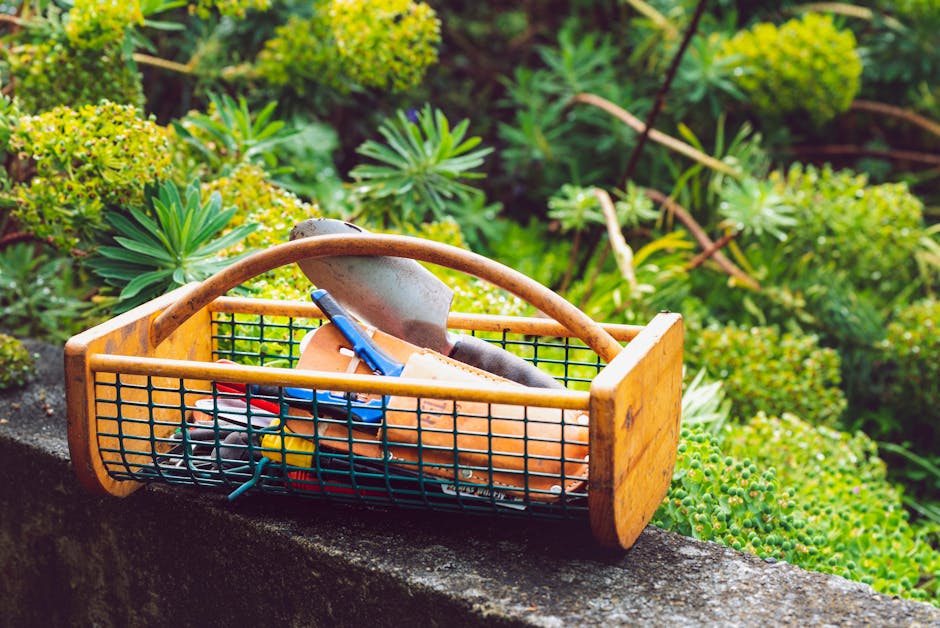
Spring garden waste swaps in Brent Cross - DIY & drop-off
When spring arrives, gardens in Brent Cross tend to wake up all at once: the hedge trimmings pile up, old pots get cracked out of sheds, and suddenly the corner by the fence looks like it has doubled in size. If you are dealing with Spring garden waste swaps in Brent Cross - DIY & drop-off, the real question is usually not whether to clear it, but how to do it in the most sensible way.
Some people want a simple DIY approach so they can sort, bag, and move waste themselves. Others prefer a drop-off option for a quicker handover and less mess at home. Truth be told, both can work well, but only if you plan them properly. This guide breaks down what garden waste swaps really mean, how DIY and drop-off methods compare, what to avoid, and how to choose the route that suits your garden, your schedule, and your back.
We will also cover practical prep, common pitfalls, compliance basics, and a realistic example from a spring tidy-up scenario. And yes, we will keep it grounded in everyday reality, not vague advice that sounds clever and does nothing.
Why Spring garden waste swaps in Brent Cross - DIY & drop-off Matters
Spring garden waste swaps are about more than getting rid of leaves and cuttings. They are really about keeping the outdoor space usable, safe, and pleasant to spend time in. After a long winter, gardens often accumulate the awkward stuff first: broken branches, mossy turf scraps, soil bags that never quite got opened, and old planters that have cracked in the frost. It can look harmless at first, then suddenly become the thing you keep stepping around.
In Brent Cross, where homes and flats can have anything from compact patios to larger shared gardens, waste management needs a bit of judgment. A DIY tidy-up works well if the volume is manageable and you have a vehicle, time, and enough energy to lift everything safely. A drop-off approach makes more sense when the waste is already sorted and you want to get it out of your way without waiting for a full garden clearance.
The "swap" idea is useful because it encourages selective disposal rather than throwing everything into one mixed heap. That means taking stock of what can be composted, what should be bagged for green waste handling, and what might need a separate route altogether. A bit of sorting upfront saves hassle later. It also helps you avoid the classic spring scene: three bags in the boot, a muddy rake, and no clear plan for the rest.
If you are already looking at other household jobs around the same time, it can be sensible to think more broadly about waste removal or even a larger home clearance approach, especially if the garden tidy-up has uncovered more than expected. That happens more often than people admit.
How Spring garden waste swaps in Brent Cross - DIY & drop-off Works
At a practical level, the process has two paths. DIY means you do the sorting, gathering, and transport yourself. Drop-off means you prepare the waste and take it to a suitable collection point or hand it over through an arranged service route, depending on what is available and appropriate for the material.
The best version of the process starts with a quick garden audit. Walk the space and separate the waste into broad groups:
- Soft green waste such as grass cuttings, leaves, and hedge trimmings
- Woody waste such as branches, twigs, and prunings
- Soil and turf, which can be heavy and awkward
- Non-green items such as broken pots, plant ties, compost bags, or damaged garden furniture
Once sorted, you decide what stays on-site for composting, what can be reused, and what needs to go. This is where the "swap" part really earns its place. A pile of decent mulch may stay. A cracked compost bin may go. An old metal planter may be kept aside for another use or disposed of separately.
For DIY, the job is usually about safe lifting, proper bagging, and making sure the vehicle is suitable for the load. For drop-off, the key is preparing the waste so it can be accepted cleanly and efficiently. Loose, mixed, or contaminated loads are where delays tend to creep in. And nobody enjoys unloading wet soil from the boot in sideways drizzle. Been there, regretted that.
If the waste includes heavier or mixed material from shed repairs, edging work, or broken fixtures, it may sit closer to builders waste clearance than simple garden tidy-up. If the job starts blending into garage contents or old storage, a linked service such as garage clearance may actually be the cleaner solution.
Key Benefits and Practical Advantages
The biggest advantage of a good spring waste swap is control. You decide what goes, what stays, and what gets reused. That is useful if you want to avoid paying to remove things that could be composted or repurposed, and it is equally useful if you want the garden cleared in stages instead of all at once.
Here are the main benefits people notice:
- Less clutter in a garden that is just starting to grow again
- Better sorting of recyclable, reusable, and disposable material
- Lower lifting pressure when waste is broken down properly first
- Cleaner presentation for patios, borders, sheds, and lawns
- More efficient transport because bags and containers are easier to load than loose waste
There is also a mental benefit, which people underestimate. A cleared garden makes everything feel less nagging. You see the border again. You can actually use the shed. You can get on with planting instead of constantly moving the same pile from one corner to another.
From an operational point of view, a sorted load is usually simpler to handle than a mixed one. That matters whether you are doing it yourself or handing it over for collection. It also supports better reuse and recycling outcomes, which fits well with the principles behind recycling and sustainability.
Who This Is For and When It Makes Sense
This approach suits a wide range of people in Brent Cross. It is not just for keen gardeners with tidy tool sheds and matching gloves. It works for anyone facing the first real clean-up of the year and thinking, "Right, where do I even start?"
It tends to make sense if you are:
- Clearing winter debris before replanting
- Cutting back hedges, shrubs, or climbers
- Refreshing a neglected garden after a busy season
- Dealing with a mix of garden waste and household clutter
- Trying to avoid a pile-up before guests, tenants, or family visits
It is also a practical option if you live in a flat or a property with limited storage, because the waste cannot just sit around for a week or two. In that case, a flat clearance style mindset can help: plan the load, keep movement simple, and avoid overcomplicating the task.
If the job is tied to a move, a rental handover, or a broader reset of the home, you may also want to consider house clearance support. Not always necessary, of course. But when the garden job starts opening up other jobs, it can be efficient to deal with them together.
Step-by-Step Guidance
Here is a practical way to handle spring garden waste swaps without making the job feel bigger than it is.
- Survey the garden. Walk the space and identify what is green waste, what is reusable, and what is non-organic.
- Set up sorting zones. Use separate bags, crates, or tarpaulin sheets so the waste does not get mixed again.
- Cut waste down to size. Shorter branches, smaller bundles, and flatter bags are easier to move and stack.
- Keep heavy material separate. Soil, turf, and wet compost can become far heavier than they look.
- Check vehicle capacity. If you are driving the waste yourself, make sure the load is secure and not likely to shift.
- Choose the handover route. Decide whether the load is going into a drop-off point, a collection service, or a wider waste removal plan.
- Do a final sweep. Small scraps, broken ties, and bits of plastic are easy to miss. They always seem to hide in the grass, don't they?
One useful habit is to separate what you might use again before you even touch the waste bags. A decent cane, a still-usable planter, or clean compost can be put aside early. That little pause can save money and reduce waste. Simple, but effective.
For jobs that move beyond the garden into sheds, lofts, or storage spaces, you can sometimes combine the spring clean with loft clearance or even garage clearance. It avoids that annoying "I've cleared one corner, but now there are three more" effect.
Expert Tips for Better Results
If you want the whole process to feel smoother, the trick is to think like a sorter, not a dumper. Dumping creates more work later. Sorting creates options.
Keep the dry stuff dry. Wet leaves and grass cuttings become heavier and more compact. If you can, store loose waste under cover until you are ready to move it. A dry bag is easier to handle, and less likely to split in your hands. That bit matters when your gloves are already muddy.
Work from the outside in. Start around boundaries, beds, and edges first. That gives the garden shape quickly, and the job feels more achievable. You see progress fast, which helps motivation. Spring jobs often stall because the first hour looks like chaos. Then the second hour starts looking manageable.
Use one container per waste type. It sounds obvious, but mixed loads waste time. Branches in one pile, soft waste in another, soil in a separate load. Cleaner separation means cleaner transfer.
Watch the weight. A bag that is technically portable can still be a bad idea if it contains wet turf or compacted soil. Lift in smaller amounts and avoid pretending you are doing a fitness challenge. We all do it once; once is enough.
Think about the rest of the property. If spring tidying is revealing general clutter, consider whether the garden job is really part of a bigger clearance project. In that case, services such as furniture clearance or furniture disposal may be relevant too, especially if outdoor furniture or old storage items are involved.
Common Mistakes to Avoid
A lot of spring waste jobs go wrong for the same boring reasons. Not dramatic, just avoidable.
- Mixing every material together and hoping sorting will somehow happen later
- Overfilling bags, which makes them tear or become too heavy to carry safely
- Forgetting sharp items such as broken canes, pruners, or wire ties
- Leaving wet piles too long, which makes them smell, compress, or attract pests
- Underestimating the vehicle space, then making two awkward trips instead of one sensible one
- Ignoring separate waste streams when mixed garden and household items are involved
Another common issue is assuming every drop-off or transfer route will accept the same mix. That is not a safe assumption. Garden waste, soil, rubble, and household waste are handled differently in practice. If you are uncertain, pause and separate more rather than less. A minute now can save an entire wasted journey later.
And to be fair, one of the biggest mistakes is simply rushing because the weather looks decent. The sky clears, you feel momentum, and then you start hauling before you have set up the sorting area. By lunchtime, the path is blocked and the trailer is half full of the wrong stuff. Happens all the time.
Tools, Resources and Recommendations
You do not need specialist equipment for a basic spring garden waste swap, but a few simple tools make the work much easier:
- Heavy-duty garden bags for leaves, grass, and light cuttings
- Tarpaulins for moving loose waste and keeping paths tidy
- Gloves with a decent grip, especially for thorny or wet material
- Secateurs or loppers for reducing branch length
- Wheelbarrow or sack truck for moving heavier loads safely
- Dustpan, broom, and hand rake for the final tidy-up
If you are handling a larger amount of mixed material, it helps to think in terms of load types rather than just "garden stuff." For example, if you are also clearing broken outdoor storage, you may need a different approach from a simple green waste run. In that scenario, the broader service area of waste removal can be a useful reference point when planning the job.
For people who want a more organised service route, the practical next step is often to compare sorting effort, collection effort, and disposal effort. That is where pricing and quotes can help you decide whether DIY is genuinely saving money or just shifting labour onto your weekend.
Law, Compliance, Standards, or Best Practice
Garden waste handling in the UK is not usually complicated, but it does deserve care. The main principle is simple: waste should be stored, moved, and transferred responsibly, and you should avoid mixing material in a way that creates risk or makes proper handling harder.
For DIY work, best practice usually means:
- Keeping pathways clear so nobody trips
- Using safe lifting techniques and sensible load sizes
- Separating hazardous or sharp items from ordinary green waste
- Avoiding spills, leaks, or contamination during transport
- Making sure any transfer route is suitable for the type of waste
If you are disposing of waste on behalf of a landlord, tenant group, business, or managed property, the expectations get a little tighter. Duty of care is the phrase often used in waste management, and while the exact requirements depend on the situation, the basic expectation is that waste is handled by a responsible route and not left to become a nuisance or a hazard.
Health and safety is not about being precious. It is about avoiding real problems: strained backs, slipped bags, blocked access, and sharp surprises hidden in greenery. If you want reassurance around process and handling, it is worth reviewing a provider's health and safety policy and insurance and safety information before agreeing anything formal.
For environmentally minded readers, the aim should be to reuse and recycle where possible, and only send on the material that genuinely needs it. That is the part most people actually feel good about afterwards.
Options, Methods, or Comparison Table
Here is a straightforward comparison of the main options people tend to use for spring garden waste swaps in Brent Cross.
| Method | Best for | Main advantage | Main drawback |
|---|---|---|---|
| DIY sorting and transport | Small to medium garden tidy-ups | Full control over timing and separation | Requires time, lifting, and vehicle space |
| Drop-off style handling | Pre-sorted waste that is ready to leave quickly | Fast handover and less clutter at home | Needs preparation and suitable access |
| Mixed waste clearance | Gardens linked to sheds, garages, or home clear-outs | Can remove several problem areas together | Needs better sorting and planning |
| Professional clearance support | Larger loads, heavier material, or tight deadlines | Saves time and reduces lifting pressure | May cost more than DIY |
There is no single "best" option for everyone. A couple of bags of hedge cuttings after a sunny Saturday? DIY probably does the job. A full garden reset with mixed waste, soil, and broken containers? That starts to look like a bigger clearance story, and a service such as garden clearance can be the more practical route.
Case Study or Real-World Example
Picture a typical Brent Cross spring tidy-up. The back garden has become a bit of a catch-all over winter: leaves trapped in one corner, a few cut branches by the fence, two cracked planters near the shed, and an old compost sack that never got used. Nothing dramatic. Just enough to make the space feel tired.
The first step is a quick sort. Soft waste goes into one pile. Woody waste goes into another. The cracked pots are set aside because they are not part of green waste. One heavy bag of soil is split into two smaller loads because, well, it is easier on the back and easier to move.
By the time the space is cleared, the garden looks bigger. The path is visible again. Light gets to the border. That awkward middle area, which had been a sort of no-man's-land for weeks, now becomes usable for planting.
The real win is not just the removal. It is the structure. Because the waste was sorted first, the final move was quicker and cleaner. No frantic last-minute reshuffling, no mystery bag of mixed mess, and no pile that had to be re-sorted in the driveway. Small win, but a satisfying one.
If that spring tidy-up had also included unwanted shelving from the shed or a tired old seat set, the project may have moved beyond a simple garden task and into broader household clearance territory. In that case, a linked service like furniture disposal can become relevant too.
Practical Checklist
Use this checklist before you move any garden waste:
- Have I separated green waste, woody waste, soil, and non-garden items?
- Are the bags or containers strong enough for the contents?
- Is anything sharp, wet, or unusually heavy?
- Do I know where the waste is going next?
- Is the route clear from garden to vehicle or collection point?
- Have I kept reusable items aside?
- Do I need a larger service for mixed or bulky material?
- Have I checked the load will fit safely without forcing it?
- Will I need extra help for lifting or loading?
- Have I planned a final sweep for small debris?
If you can tick most of those off without hesitation, you are in good shape. If not, slow down a bit. It is better to take ten extra minutes than to spend an hour fixing a messy load.
Get a free quote today and see how much you can save.
Conclusion
Spring garden waste swaps in Brent Cross work best when they are treated as a simple system: sort first, move second, and only then decide whether DIY or drop-off is the better route. That mindset keeps the job calmer, safer, and usually cheaper than dealing with a mixed pile at the end of the day.
For small tidy-ups, DIY can be perfectly sensible. For bigger loads, heavier material, or jobs that spread into other parts of the property, a more structured clearance approach can save a lot of hassle. The important thing is not to let the pile grow while you debate it. The earlier you start, the easier the whole thing feels.
And honestly, once the garden is clear and you can hear the birds properly again, the whole place feels more like spring. That alone is worth the effort.
Frequently Asked Questions
What does spring garden waste swaps mean in practical terms?
It usually means sorting garden waste into sensible categories, deciding what can be reused or composted, and then choosing whether to remove it yourself or use a drop-off style handover. The idea is to avoid mixing everything together and making the job harder later.
Is DIY garden waste removal cheaper than drop-off?
Often it can be, but only if you already have the right bags, transport, and time to do it properly. If you need to hire a vehicle, make multiple trips, or deal with heavy loads, the savings can shrink quite fast.
What kind of waste counts as garden waste?
Typical garden waste includes grass cuttings, leaves, hedge trimmings, small branches, weeds, and similar organic material. Soil, turf, broken pots, and mixed household items may need a different approach depending on the load.
Can I mix soil with green waste?
It is usually better not to mix them unless you are certain the receiving route accepts that combination. Soil is heavy and can make a bag difficult to handle, so separating it is normally the safer and more practical option.
What should I do with old plant pots and broken garden items?
Set them aside early and keep them separate from green waste. Some items may be reusable, while others may need disposal as mixed waste rather than garden waste. It depends on the material and condition.
How do I know if my garden waste is too much for DIY?
If you are looking at multiple heavy bags, large branches, mixed waste, or repeated trips, that is usually a sign the job is moving beyond a simple DIY tidy-up. If it starts feeling like a strain before you even lift anything, that is a clue too.
Is it safe to leave garden waste in the garden for a few days?
Usually yes, if it is kept tidy, dry where possible, and not blocking access. But wet piles, sharp branches, or bags left in the way can create hassle fast. The sooner you move it, the easier it tends to be.
What is the best way to move heavy garden waste?
Break it into smaller loads, use a wheelbarrow or sack truck if available, and avoid lifting more than you can manage safely. Wet turf and soil are the usual troublemakers, because they look light and then surprise you.
Do I need a professional service for a spring garden tidy-up?
Not always. Many smaller jobs are fine as DIY. But if the waste is bulky, mixed, time-sensitive, or linked to a bigger clearance project, a professional service can save time and reduce lifting pressure.
How can I make garden waste easier to sort next time?
Use separate containers from the start, trim larger items down before piling them up, and keep reusable items in their own corner. A few minutes of organising at the beginning usually saves a lot of faff at the end.
What if my spring tidy-up turns into a much bigger job?
That happens a lot, especially when the garden is connected to storage, sheds, or household clutter. If it starts expanding, consider whether a broader clearance approach would be simpler than trying to manage each part separately.
Can a garden waste job be combined with other clearance work?
Yes, and that can be very efficient. If the work spills into other areas, such as a garage, loft, or home reset, combining the jobs can reduce duplication and keep the property moving in one direction instead of three.